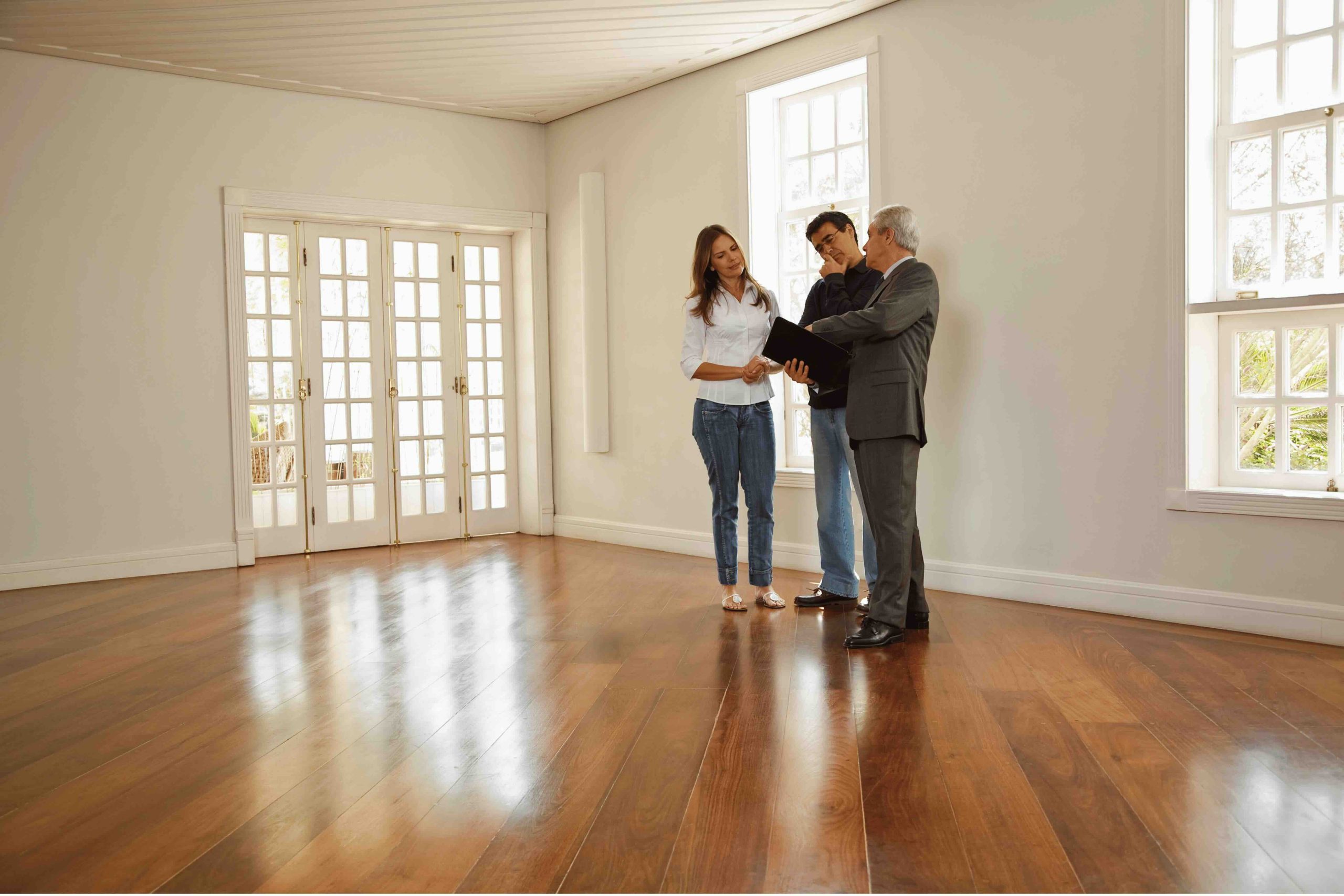
Open houses move fast, and hardwood floors are easy to admire without really looking at…

What to Expect During the Hardwood Floor Refinishing Process
Refinishing your hardwood floors is one of the most effective ways to transform a home or commercial space. Whether you’re restoring original hardwood in a Philadelphia rowhome or updating floors in a busy office, understanding the refinishing process and realistic timelines helps everything run smoothly.
In this guide, Joe from Hudson Hardwood Floors walks you through the entire hardwood floor refinishing process, from the initial consultation to final curing—so you know exactly what to expect, how long each stage takes, and how finish type and environment affect drying time.
Step 1: Meeting With Your Flooring Contractor & Creating a Plan
The refinishing process begins with choosing an experienced hardwood flooring contractor. At Hudson Hardwood, we start with an in-person consultation to assess your floors and understand your goals.
During this visit, we will:
Inspect the condition and age of your hardwood floors
Identify scratches, pet damage, gaps, or boards needing repair
Discuss stain color, finish type, and durability needs
Review timeline expectations and project cost
Together, we create a custom refinishing plan, including:
Estimated start and completion dates
Repair needs
Finish selection (water-based vs. oil-based)
Occupancy considerations
Step 2: Finalizing the Refinishing Plan & Contract Details
Before work begins, we review all project details to ensure clarity.
This includes:
Total cost to refinish hardwood floors
Project start and finish dates
Step-by-step refinishing process
Repair scope and contingencies
Whether refinishing or replacement is recommended
We also share reference photos and examples so expectations are aligned before sanding begins.
Step 3: Preparing Your Home for Hardwood Floor Refinishing
Step 3a: Clearing the Space (Homeowner Task)
All furniture, rugs, and personal items must be removed from the work area—including closets. This is typically the only prep step homeowners handle.
Step 3b: Sealing & Protecting the Space (Contractor Task)
Our team:
Seals off non-work areas with plastic and tape
Covers vents to protect HVAC systems
Sets up dust containment systems
This protects your home and ensures a clean refinishing process.
Step 4: Sanding the Hardwood Floors (1 Full Day on Average)
Sanding removes the old finish and surface damage, revealing fresh wood underneath.
What this involves:
3–4 sanding passes using progressively finer grits
Removal of scratches, dents, and surface wear
Precision sanding with LED-guided equipment to catch imperfections
Timeline:
Most homes (1,000–2,000 sq ft) require about 1 day for sanding, depending on layout, stairs, and floor condition.
Step 5: Applying Stain, Dye, or Leaving Floors Natural
Staining (Optional – Adds Time)
If you choose to stain your floors:
Stain is applied evenly by brush, roller, or sprayer
Custom color blends can be created to match existing floors
Stain must fully dry before finishing
Timeline impact:
Staining usually adds 1 additional day to the project.
Step 6: Applying the Finish (Where Timelines Vary Most)
The finish protects your floors and determines both appearance and durability. Finish choice has the biggest impact on drying time and overall project length.
Water-Based Polyurethane (Fastest Option)
Dry time per coat: 2–4 hours
Coats required: 3–4
Total refinishing time: 2–3 days
Walkable (socks only): same day
Furniture return: 24–48 hours
Full cure: ~7 days
Best for:
Homes occupied during refinishing
Low odor / low VOC needs
Faster turnaround
Oil-Based Polyurethane (Longest Timeline)
Dry time per coat: 8–24 hours
Coats required: 2
Total refinishing time: 3–5 days
Walkable: next day
Furniture return: 3–5 days
Full cure: up to 30 days
Best for:
Vacant homes or renovations
Traditional aesthetics
Maximum long-term durability
Step 7: Environmental Factors That Affect Dry & Cure Time
Even with the same finish, drying time can vary due to environmental conditions.
Key factors include:
Humidity
High humidity slows drying significantly. Dehumidifiers may be used to maintain ideal conditions.
Temperature
Ideal range: 65–75°F
Cold slows curing; excessive heat can cause uneven drying.
Ventilation & Airflow
Proper airflow helps finishes cure evenly. Poor ventilation can trap moisture and fumes.
Floor Age & Condition
Older floors may require additional prep, repairs, or sanding passes, adding time before finishing.
Step 8: Allowing Floors to Dry & Cure Before Normal Use
Drying and curing are not the same. Floors may feel dry long before they are fully cured.
General guidelines:
Wait 24–48 hours before walking (socks only)
Keep pets off floors for several days
Delay furniture and rugs based on finish type
Avoid rugs for 1–2 weeks (water-based) or 2–4 weeks (oil-based)
Hudson Hardwood will provide specific instructions based on your finish and home conditions.
Avoiding Common Refinishing Mistakes
DIY refinishing often fails due to:
Skipping sanding steps
Using incorrect grit
Applying stain unevenly
Not allowing proper dry time
Poor ventilation
Professional refinishing avoids these costly mistakes and delivers consistent, long-lasting results.
Frequently Asked Questions: Hardwood Floor Refinishing in Philadelphia
Hardwood floor refinishing takes an average of three to five days. However, this can vary depending on the size of the room, the extent of damage to the floors, and the type of finish used.
Yes, engineered hardwood floors can be refinished. If you are wondering how to refinish engineered hardwood floors, consider this: the process is more delicate than refinishing solid hardwood floors, and it’s essential to hire a professional to do it.
Yes, refinishing your hardwood floors can remove deep scratches. However, the extent of damage will determine the level of sanding required. Repairing hardwood floors is always possible.
Yes—especially if you choose dustless sanding and water-based finishes. Our crews help Philly homeowners stay safely onsite during most projects.
This depends on your specific flooring and any damage it may or may not have, but typically we’d say every 7-10 years.
With dustless refinishing and proper planning, yes. Many of our clients stay home—even in small city houses.
Your Beautiful, Refinished Floors
Hardwood floor refinishing restores beauty, protects your investment, and adds long-term value to your home or business. With proper planning and professional execution, your floors can look brand new for decades.
If you’re ready to refinish your hardwood floors with clear timelines and expert guidance, contact Hudson Hardwood Floors today.
📞 Call (215) 694-7296 or schedule your free quote online. Let’s bring your hardwood floors back to life—beautifully, safely, and on time.
Let’s make your floors look stunning—and keep them that way for years to come.
Related Posts