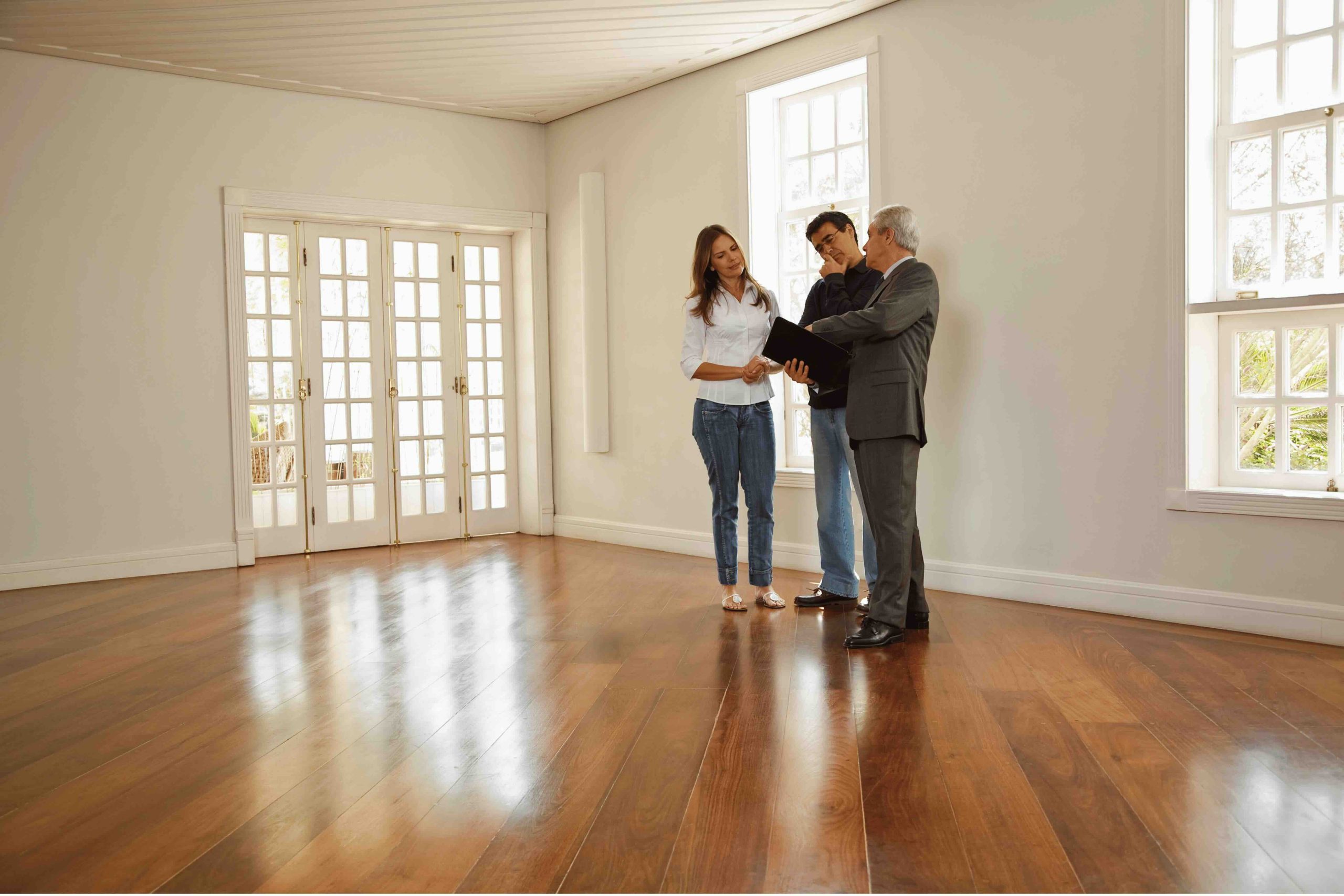
Open houses move fast, and hardwood floors are easy to admire without really looking at…

Do Hardwood Floors Change Color Over Time? Why It Happens and What You Can Do
Yes, hardwood floors naturally change color as they age. Sunlight is usually the biggest factor, but the wood species, stain, finish, rugs, furniture, and normal oxidation all influence what that change looks like.
Some floors become warmer or darker. Others fade. The change may happen evenly or appear as obvious outlines when a rug or piece of furniture is moved.
After more than 20 years working on hardwood floors around Philadelphia, here is what I tell homeowners: color change by itself does not mean the floor is failing. Most of the time, it is simply real wood reacting to its environment.
Why Do Hardwood Floors Change Color?
Wood is a natural material. Even after it is installed, stained, and finished, it continues to respond to light and air.
Direct sunlight speeds up that process. Areas closest to large windows, glass doors, and skylights usually change first. The finish matters too. Traditional oil-based polyurethane adds an amber tone that can deepen with age, while many water-based finishes stay clearer and resist yellowing.
That is why two floors made from the same species can age differently. Sun exposure, stain color, finish system, and room orientation can all affect the final appearance.
Do Hardwood Floors Get Darker or Lighter With Age?
They can do either.
Some wood-and-finish combinations become richer, warmer, or darker. Others fade with repeated sun exposure. In some homes, the finish warms while the sun-exposed surface loses some intensity.
There is no universal direction every hardwood floor will take. If you are choosing a new floor or stain, the sample you see on installation day may not be the exact color you have five years later.
That is not necessarily a problem. It is part of how real wood ages.
Why Is the Floor Lighter Under a Rug or Sofa?
Rugs and furniture block light. The exposed floor continues changing while the covered section changes much more slowly.
When you move the rug, you may see a lighter rectangle or sharp difference in tone. Homeowners sometimes assume the rug damaged the floor, but usually the covered section preserved more of the earlier color.
My advice is not to panic and refinish a good floor just because you found a rug outline. Once the area is exposed, the contrast may soften, although an exact match is not guaranteed.
Can You Prevent Hardwood Floors From Fading?
You cannot stop natural color change completely, but you can help it happen more evenly.
Use curtains, blinds, or UV-filtering window treatments in rooms with strong direct sunlight. Shift rugs and furniture occasionally instead of leaving them in the same position for years. Keeping the finish in good condition also helps protect the wood from wear and exposure.
You do not need to rearrange the whole house every month. Small, occasional changes can reduce the hard lines that form between covered and uncovered areas.
Our guide to seasonal hardwood floor maintenance includes more ways to protect floors as light, temperature, and humidity change.
Can a Screen and Recoat Fix Uneven Floor Color?
Usually, no.
A screen and recoat refreshes the existing protective finish without sanding to bare wood. It can improve dullness and fine surface wear, but it generally will not remove deep discoloration or change the underlying stain color.
That distinction matters. I would rather explain it upfront than sell someone a lighter service that cannot deliver the result they expect.
If the color difference is mild and the floor is otherwise healthy, living with it may be the best option. If the unevenness is severe, widespread, or combined with wear and staining, full refinishing may be more appropriate.
Can Refinishing Change the Color of Hardwood Floors?
Yes. Full refinishing removes the existing finish and sands the surface, allowing the floor to be restained or returned closer to a natural tone. It is also an opportunity to change the sheen and choose a finish that ages differently.
Not every variation disappears completely. Deep stains, previous repairs, sun exposure, and differences between old and replacement boards can still affect how evenly the floor accepts stain.
Before recommending hardwood floor refinishing, we look at whether the issue is in the finish, stain, or wood itself. That helps us set realistic expectations before sanding begins.
When Is Color Change a Sign of a Bigger Problem?
Gradual, even color change is generally normal. Sudden black, gray, white, or cloudy areas may point to moisture, chemical residue, finish failure, pet damage, or wear through the protective coating.
Pay attention to texture as well as color. If boards feel rough, soft, raised, cupped, or splintered, the issue is not just cosmetic and should be evaluated.
The bottom line is that hardwood floors are supposed to age. The goal is not to freeze them at the color they were on day one. It is to understand whether you are seeing normal aging, uneven light exposure, or a condition that needs attention.
Hudson Hardwood helps Philadelphia-area homeowners evaluate faded, darkened, stained, and uneven floors. We will tell you what can be improved, what may continue to blend naturally, and whether the floor needs maintenance, refinishing, or no work at all.
📞 Call (215) 694-7296 or request a free quote when you are ready.
Related Posts