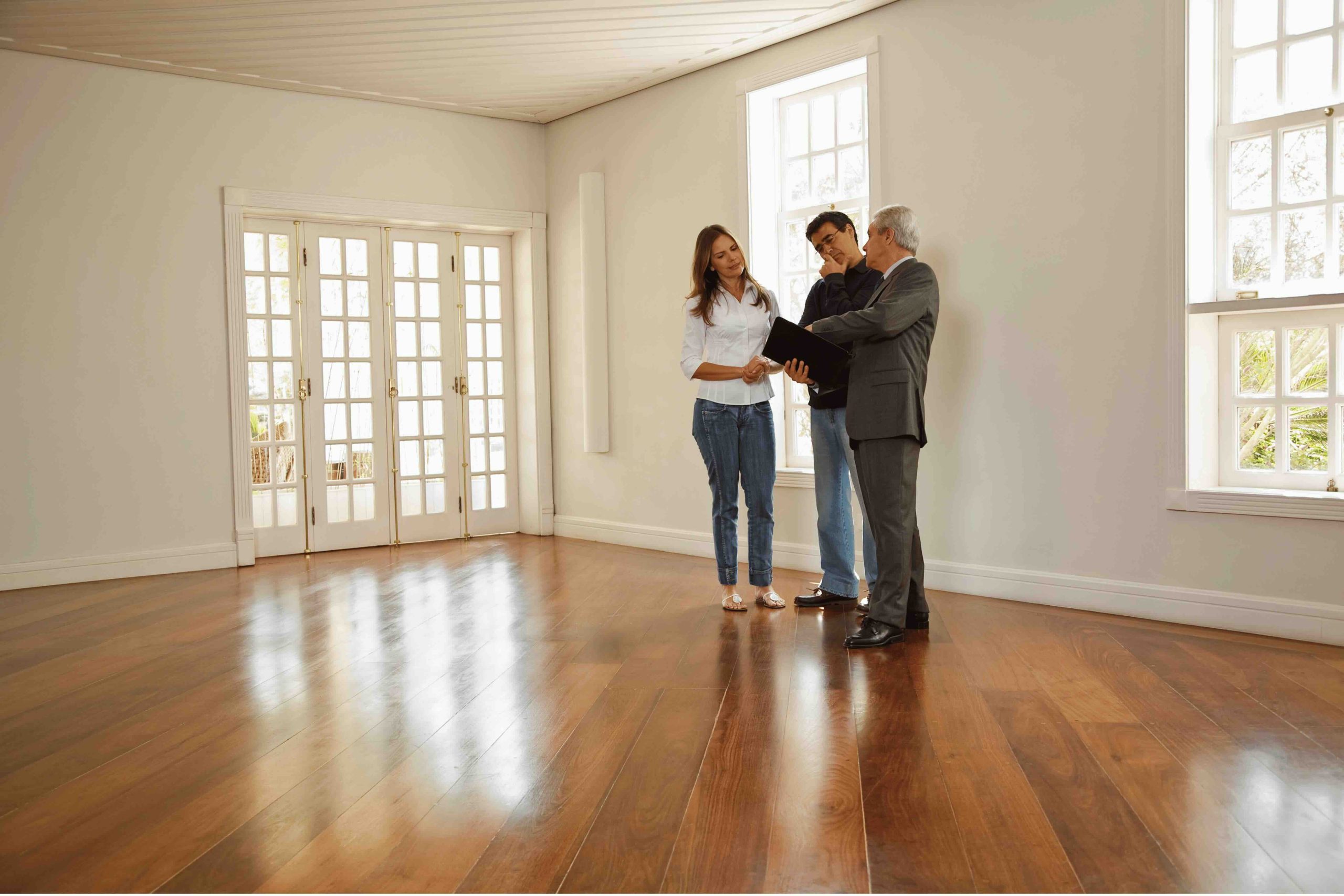
Open houses move fast, and hardwood floors are easy to admire without really looking at…

How Philadelphia’s Climate Affects Your Hardwood Floors (and How to Help Them Perform at Their Best)
Hardwood floors have been a defining feature of Philadelphia homes for generations. From historic rowhomes in Society Hill to classic townhouses in Chestnut Hill and modern condos in Center City, hardwood remains one of the most durable, valuable, and desirable flooring choices in the city.
Like any natural material, hardwood responds to its environment — and Philadelphia’s four distinct seasons simply mean that wood floors behave differently throughout the year. With proper care, expert installation, and professional hardwood floor refinishing, hardwood floors don’t just survive Philly’s climate — they thrive in it.
This guide explains how seasonal changes affect hardwood floors and what homeowners can do to keep their floors looking beautiful year-round.
Hardwood Floors & Philadelphia’s Seasons: What’s Normal
Philadelphia experiences warm, humid summers and cooler, drier winters. Hardwood naturally adjusts to these shifts by expanding slightly when moisture increases and contracting when the air dries.
This movement is normal, expected, and one of the reasons hardwood floors last for decades when cared for properly. Most seasonal changes are minor and reversible — especially when floors are finished, sealed, and maintained by professionals who understand Philadelphia homes.
Summer: Managing Humidity the Right Way
During the summer, higher humidity levels allow hardwood to absorb small amounts of moisture from the air. In many Philadelphia homes — especially those with window AC units or limited ventilation — this can result in subtle changes to the floor’s appearance.
You may notice:
A slightly softer feel underfoot
Minor cupping along board edges
A temporary hazy or muted finish sheen
These are surface-level responses, not structural failures. In most cases, they stabilize naturally as indoor humidity is managed.
Best Summer Practices for Philly Homes
Keep indoor humidity between 35–55%
Use dehumidifiers on lower levels
Wipe up moisture near entryways promptly
Avoid wet mopping during peak humidity
If your finish begins to look dull or uneven after years of seasonal exposure, hardwood floor refinishing restores protection and helps floors resist future moisture more effectively.
Winter: Understanding Gaps & Dryness
In winter, indoor heating systems — especially radiators common in older Philadelphia homes — reduce humidity. Hardwood releases moisture into the air, which can create small gaps between boards.
This is not a sign of failure. It’s a normal, temporary adjustment.
Common winter observations include:
Hairline gaps between boards
Slight creaking as floors adjust
A drier, less glossy finish
As humidity returns in spring, most gaps naturally close.
Winter Care Tips
Use humidifiers to maintain balanced air
Avoid filling gaps during winter months
Wait until spring to assess long-term changes
Professional evaluations help determine whether refinishing is needed or if seasonal movement will resolve on its own.
Spring & Fall: Ideal Seasons for Refinishing
Spring and fall offer moderate humidity and stable temperatures, making them ideal times for hardwood floor refinishing in Philadelphia.
These seasons are often the best for:
Even finish curing
Accurate sanding and staining
Minimal seasonal stress on wood
For homeowners staying in their homes during the project, dustless floor refinishing is especially effective during these transitional months, keeping indoor air clean and disruption low.
Why Hardwood Continues to Perform So Well in Philadelphia Homes
Despite seasonal changes, hardwood remains one of the strongest flooring investments in the city.
Hardwood floors:
Have proven longevity in century-old homes
Increase resale value and buyer appeal
Can be refinished multiple times over decades
Adapt naturally to climate shifts
Outperform carpet and synthetic alternatives long-term
The key isn’t avoiding hardwood — it’s choosing the right care, finishes, and professionals who understand Philadelphia’s housing stock.
The Role of Professional Refinishing in Climate Performance
Proper refinishing does more than improve appearance. It:
Seals wood against moisture fluctuations
Strengthens the protective finish layer
Extends floor lifespan
Reduces future maintenance needs
With dustless floor refinishing, homeowners benefit from cleaner air, faster cleanup, and a safer experience — especially in rowhomes and condos with limited ventilation.
Frequently Asked Questions
Yes. Seasonal expansion and contraction are natural and expected with real wood floors.
Not usually. Most winter gaps close naturally in spring.
Spring and fall typically offer the best conditions for consistent results.
Absolutely. Refinishing restores the protective layer that shields wood from humidity and dryness.
Protect Your Hardwood Floors for Every Philly Season
At Hudson Hardwood Floors, we’ve spent over 20 years working in Philadelphia homes of every style and age. We understand how real hardwood behaves in this city — and how to help it perform beautifully year after year.
Whether you need maintenance advice, hardwood floor refinishing, or dustless floor refinishing, our team provides solutions tailored to your home, lifestyle, and schedule.
📞 Call (215) 694-7296 or schedule your free quote online. Let’s bring your hardwood floors back to life—beautifully, safely, and on time.
Your floors are built to last — we help them do just that.
Related Posts