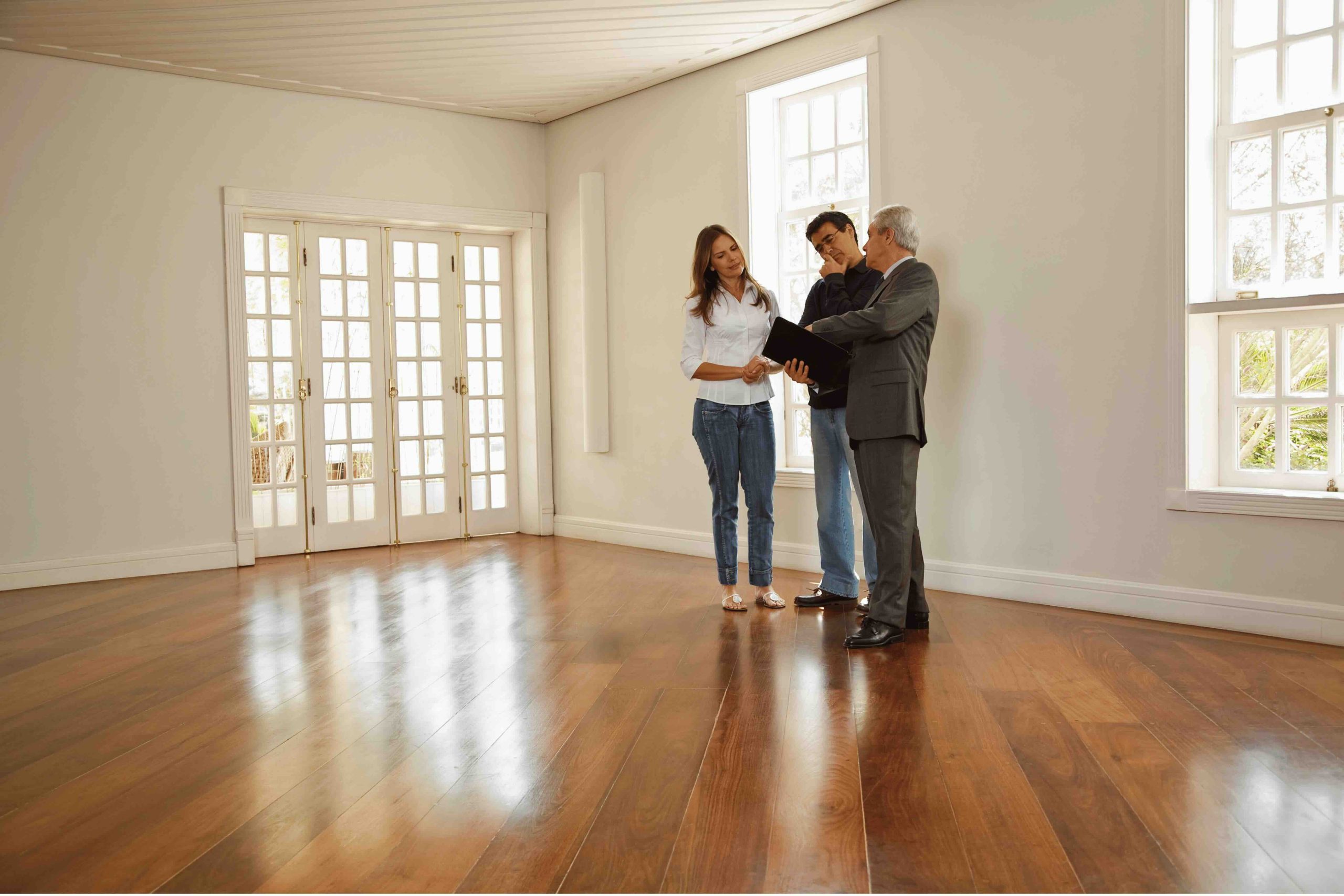
Open houses move fast, and hardwood floors are easy to admire without really looking at…

How Much Does Hardwood Floor Refinishing Cost in 2026? (A Philadelphia Price Guide)
One of the first questions homeowners ask is:
“How much does it cost to refinish hardwood floors?”
The honest answer is that every project is different.
At Hudson Hardwood Floors, we have refinished thousands of hardwood floors throughout Philadelphia, Bucks County, Montgomery County, Chester County, Delaware County, and the Main Line. While we can usually provide a very accurate ballpark estimate from photos and basic project information, the final cost depends on several factors—not just square footage.
What Determines the Cost of Hardwood Floor Refinishing?
Several things affect pricing, including:
- Total square footage
- Species of wood (oak, maple, pine, etc.)
- Floor condition
- Repairs required
- Water damage
- Pet stains
- Existing finish
- Furniture moving requirements
- Stairs
- Whether you want a natural finish or stain
- Type of finish (oil vs. waterborne polyurethane)
- Whether the project can be completed in one phase
Every one of these items affects labor, materials, and scheduling.
Full Refinishing vs. Screen-and-Recoat: Which Is More Affordable?
When a homeowner is preparing to sell or a landlord is trying to turn over a rental, the goal is often to improve the floors without spending money on work they don’t actually need.
That is where the condition of the floor matters.
If the wood itself is in good shape and the wear is limited to the existing finish, a screen-and-recoat—also called a buff-and-recoat—may be the most budget-friendly option. We lightly abrade the existing finish and apply a new protective coat without sanding the floor down to bare wood.
If the floor has deep scratches, dark stains, exposed wood, water damage, or an unwanted stain color, a recoat will not correct those issues. Full sanding and refinishing will usually be necessary.
| Service | What It Does | Best For | Relative Cost | Typical Timing | Main Limitations |
|---|---|---|---|---|---|
| Screen-and-recoat | Lightly abrades the existing finish and applies a fresh protective coat | Light surface scratches, dullness, fading, and floors that are still in good overall condition | Lower-cost option | Often completed in one working day, followed by drying and curing time | Does not remove deep scratches, pet stains, water damage, exposed wood, or change the stain color |
| Full sanding and refinishing | Removes the old finish, sands the floor to bare wood, and applies a new stain and finish system | Deeper wear, damaged or exposed wood, significant staining, and color changes | Higher investment | Usually requires several days, depending on the scope and finish system | More labor, preparation, drying time, and disruption |
The least expensive option is not always the one with the lowest initial price. Applying a new coat over a floor that really needs sanding can leave the damage visible and may mean paying for additional work later.
We would rather look at the floor honestly and recommend the least extensive service that will produce a result worth paying for.
Bigger Projects Usually Cost Less Per Square Foot
One of the biggest misconceptions about hardwood floor refinishing is that pricing works like buying flooring at a home improvement store.
It doesn’t.
Larger projects often work out to a lower cost per square foot because many of the setup costs remain the same regardless of project size.
Every refinishing project requires:
- Travel
- Dust containment setup
- Professional sanding equipment
- Materials
- Cleanup
- Experienced craftsmen
Whether we’re refinishing 350 square feet or 2,500 square feet, many of those costs don’t change.
For that reason, smaller projects often have a higher cost per square foot than larger projects.
This is completely normal throughout the hardwood flooring industry.
Hardwood Floor Refinishing Costs for Landlords & Property Investors
For landlords and real estate investors, hardwood floor costs are often less about the price of a single project and more about controlling turnover costs across multiple units or properties.
As discussed above, a screen-and-recoat can be a lower-cost option when the floor and existing finish are still in good enough condition, while floors with deeper wear or damage may require full refinishing. For rental owners, making that distinction at each turnover can help avoid unnecessary work while still protecting the floor for the long term.
How Quickly Can Hardwood Floors Be Refinished Between Tenants?
Timing depends on the condition of the floors and the service required.
A screen-and-recoat can often be completed in one working day, followed by drying and curing time before the space is ready for normal use. Full sanding and refinishing generally requires several days, depending on the size of the unit, repairs needed, finish system, and overall scope of work.
For time-sensitive rental turnovers, Hudson Hardwood Floors can coordinate flooring work around tenant move-out and move-in dates, painting, repairs, and other contractors. Rather than promising the same turnaround for every property, we provide a realistic timeline based on the actual condition of the floors and the work required.
Can Multi-Property Landlords Reduce Their Cost Per Unit?
Potentially. Hudson Hardwood Floors offers preferred, project-based pricing for landlords, investors, and property managers with multiple units or properties.
We don’t use a fixed landlord price per unit or per square foot because each project can vary based on square footage, floor condition, repairs, type of service, and finish system.
However, when multiple vacant units or properties can be coordinated as part of a larger scope of work, crews, equipment, and scheduling can often be used more efficiently. That can create opportunities for more competitive portfolio pricing and a lower effective cost across multiple units.
For landlords with ongoing flooring needs, we can also evaluate each property individually over time to determine whether the floors need cleaning, recoating, repairs, or full refinishing rather than automatically performing the most extensive service at every turnover.
Why We Don’t Publish Exact Per-Square-Foot Pricing
Many websites advertise a simple price per square foot.
We don’t.
Giving one flat number is misleading because no two hardwood floor refinishing projects are identical.
Instead, we’d rather give you a realistic ballpark estimate based on your actual project so you have an accurate expectation of what the work may cost.
Additional Factors That May Affect Pricing
Projects that require additional labor may include:
- Board replacement
- Gap repairs
- Water damage
- Pet stains
- Carpet removal
- Multiple flights of stairs
- Furniture moving
- Custom stain colors
- Historic homes
- High-rise condominiums
- Multiple phases
These items are discussed during the estimating process so there are no surprises.
Why Homeowners Choose Hudson Hardwood Floors
For more than 25 years we’ve specialized exclusively in hardwood flooring.
Our reputation has been built on:
- Honest pricing
- Clear communication
- Professional dust containment
- Experienced craftsmen
- Premium finishes
- Five-star customer service
We believe homeowners deserve realistic expectations—not artificially low prices designed simply to generate phone calls.
Ready For A Ballpark Estimate?
If you’re considering refinishing your hardwood floors anywhere in the Philadelphia area, we’d be happy to help.
Simply send us:
- Photos
- Approximate square footage
- Your location
- Whether you’re planning to go natural or stain
We’ll provide a realistic ballpark estimate and explain the next steps.
Call (215) 694-7296 or request your ballpark estimate online.
Frequently Asked Questions
The cost depends on the size and condition of the floors, room layout, required repairs, stairs, access, stain selection, and finish system. Hudson Hardwood Floors can often provide a preliminary ballpark estimate using photos, approximate square footage, and basic project details.
If the floors are only dull or lightly scratched, a screen-and-recoat is usually the most affordable option. It refreshes the finish without the cost of sanding to bare wood.
If there are deep scratches, stains, or exposed wood, full refinishing may still be necessary.
A screen-and-recoat may be completed in one working day, followed by drying time. Full refinishing usually takes several days.
If you already have listing photos or showings scheduled, contact us as early as possible so we can tell you what is realistic.
Yes. A buff-and-recoat is less expensive and may be enough if the floors have light surface wear, dullness, or minor scuffs.
It will not remove deep scratches, stains, exposed wood, or change the floor color.
A screen-and-recoat can often be completed in one working day, while full sanding and refinishing generally takes several days depending on the condition of the floors, repairs needed, and finish system. For rental turnovers, Hudson can coordinate the work around move-out, move-in, and other contractors whenever possible.
Potentially. Hudson offers preferred, project-based pricing for landlords, investors, and property managers with multiple units or properties. While there is no fixed landlord rate, coordinating multiple vacant units or projects can create efficiencies that may reduce the effective cost across the portfolio.
Every project requires travel, equipment setup, dust containment, materials, cleanup, and experienced labor. Because many of these baseline costs remain the same regardless of project size, they represent a larger portion of the total price on smaller projects.
Often, yes. Photos, approximate square footage, location, floor condition, stairs, and finish preferences may be enough for an initial estimate. A site visit is generally required before providing a firm written proposal.
Standard refinishing does not necessarily include significant repairs. Damaged boards, water damage, pet stains, gaps, loose flooring, and carpet removal may require additional work. These items should be identified and listed clearly in the proposal.
It can. Changing the color adds stain selection, testing, application, and additional preparation to the process. Pricing also depends on the wood species and the color you are trying to achieve.
Stairs are usually evaluated separately because they require more hand sanding and detailed labor than open flooring. The number of steps, condition of the treads, risers, railings, and existing coverings can all affect the price.
Related Posts