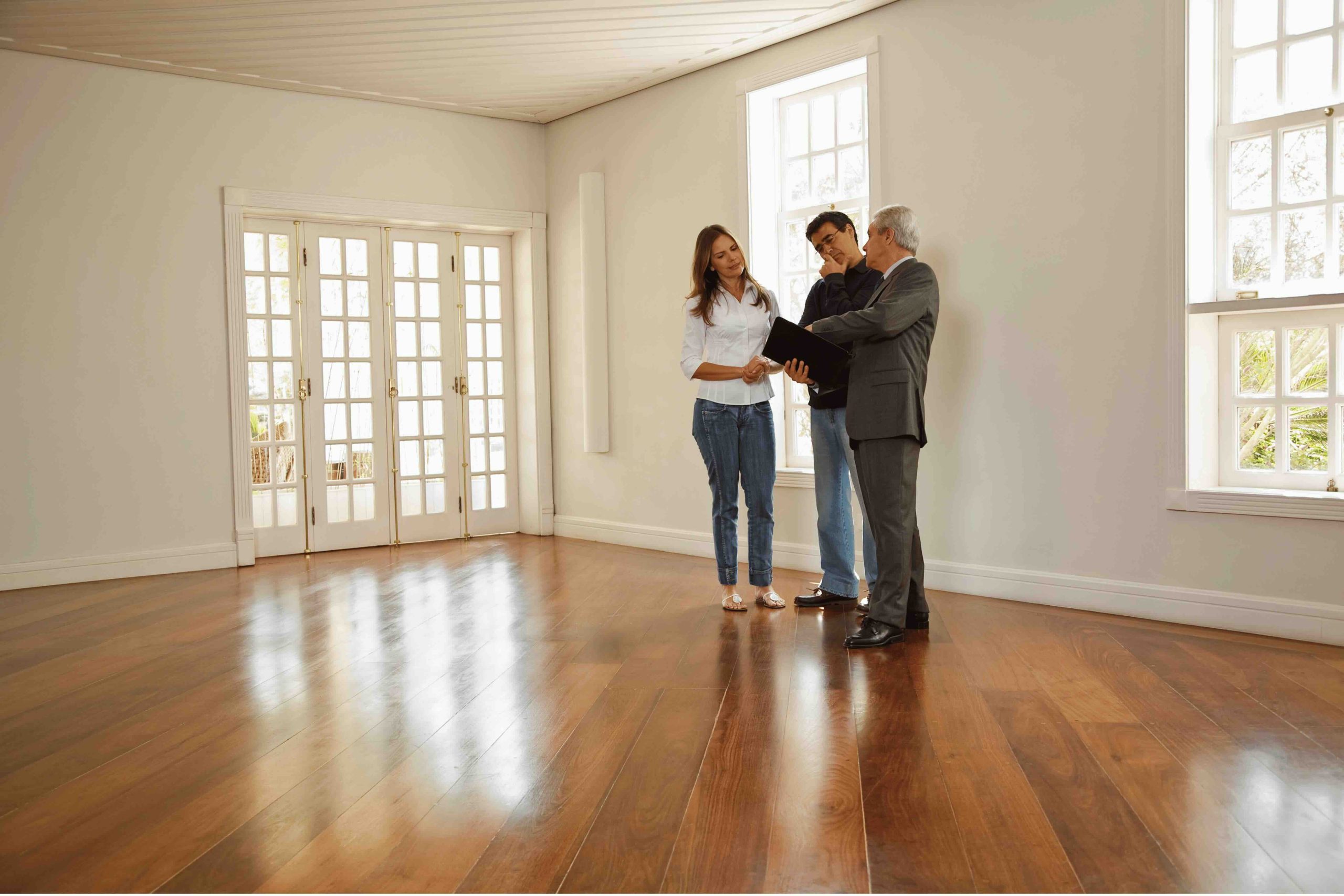
Open houses move fast, and hardwood floors are easy to admire without really looking at…

Refinishing Hardwood Floors: A Smart Investment with a 147% Return
When homeowners ask us which flooring project gives them the most value for their money, refinishing is usually near the top of the list.
According to a 2022 study by the National Association of Realtors and the National Association of the Remodeling Industry, hardwood floor refinishing delivered a 147% return on investment—the highest recovered cost of any home improvement project included in the report.
That number gets people’s attention, but it also makes sense when you see the difference refinishing can make. You’re taking a feature the home already has and restoring it, rather than tearing it out and starting over.
In Philadelphia, that can be especially valuable. Many rowhomes, brownstones, and older suburban properties still have original hardwood flooring. Even when those floors look scratched, dull, or dated, there may be a lot of life left in them.
Why Refinishing Hardwood Floors Is a High-Value Investment
1. The Difference Is Immediate
There aren’t many home improvements where the before-and-after difference is as noticeable as it is with hardwood floor refinishing.
Years of foot traffic, furniture movement, sunlight, pets, and everyday use can leave a floor looking tired. Sanding removes that worn surface and gives us a clean foundation for a new stain and finish.
The floor doesn’t just look shinier. The color becomes more consistent, scratches disappear or become far less noticeable, and the natural grain comes back into focus.
We see this all the time in Philadelphia homes. A floor that initially looks like it needs to be replaced may simply need to be properly sanded and refinished.
For buyers, that restored floor also sends a clear message: the home has been maintained, and this is one less major project they’ll need to deal with after moving in.
2. Refinishing Costs Less Than Replacing What You Already Have
The NAR/NARI study found that refinishing hardwood floors recovered more of its cost than several larger remodeling projects.
| Project Type | Average Cost Recovery |
|---|---|
| Hardwood Floor Refinishing | 147% |
| New Hardwood Flooring | 118% |
| Kitchen Remodel | 67% |
| Bathroom Remodel | 57% |
One reason refinishing performs so well is that you’re working with a material that is already in the home.
If the existing wood is structurally sound, it usually doesn’t make sense to remove it just because the finish is worn. Refinishing allows you to preserve the original floor, improve the appearance of the entire room, and avoid the higher cost of a full replacement.
Of course, not every floor can be saved. Boards with extensive water damage, deep pet staining, structural movement, or very little wood remaining above the tongue may need repairs or replacement.
Our job is to look at the floor honestly and recommend the level of work it actually needs—not automatically sell every homeowner on a complete refinishing project.
3. Philadelphia’s Older Floors Are Often Worth Preserving
Philadelphia has a large amount of older housing stock, and many of those homes contain solid oak, pine, maple, or other hardwood flooring that would be expensive to reproduce today.
We work in homes where the floors have already lasted for generations. They may look rough when we first arrive, but older wood can often refinish beautifully because of its grain, character, and quality.
That doesn’t mean every Philadelphia project is simple.
Older rowhomes may have uneven subfloors, previous repairs, mismatched boards, layers of old finish, or areas that have been covered for years. Narrow streets, limited parking, and tight staircases can also make setup more complicated.
Seasonal conditions matter, too. Humidity, temperature, ventilation, and the type of finish being used can all affect drying and curing times.
This is where local experience makes a difference. A refinishing contractor should know how to evaluate the wood, account for the home’s age and construction, and set realistic expectations before the sanding begins.
4. Refinishing Hardwood Floors Before Listing Your Philadelphia Home
If you’re getting ready to sell and your hardwood floors are scratched, dull, or noticeably worn, refinishing them before listing can make a big difference in how the home shows.
Ideally, have the floors refinished before staging and listing photos. The rooms are easier to work in while they’re empty, the finish has time to dry and cure, and you don’t have to move furniture twice. It also means buyers see the finished floors from the first time they come across the listing. According to the National Association of REALTORS®, 73% of buyers’ agents said listing photos were important to their clients.
For stain and sheen, we generally recommend choosing something that makes sense for the house rather than simply following a trend. The type of wood, natural light, trim, cabinetry, and overall style of the home should all factor into the decision.
The goal is for the floors to look clean, well cared for, and consistent with the rest of the home. That gives staging a better foundation to work with and keeps worn or damaged flooring from becoming one of the first things a buyer notices.
5. Dustless Refinishing Makes the Process More Manageable
One of the biggest concerns homeowners have about refinishing is the dust.
Traditional sanding can create a lot of it, and without the right equipment, that dust can travel into other rooms, settle on trim and furniture, and make cleanup much harder than it needs to be.
Our dust-containment equipment connects directly to the sanding machines and captures the vast majority of dust as we work.
We’re careful not to call the process completely dust-free, because no sanding process is. But compared with older sanding methods, dustless floor refinishing makes a significant difference.
That is especially important in Philadelphia rowhomes and other tighter spaces where the work area may be close to kitchens, bedrooms, stairways, and HVAC returns.
It also helps protect architectural details in historic homes and makes it easier for homeowners to return to normal once the project is complete.
6. A New Finish Protects the Floor Going Forward
Refinishing is not only about making the floor look better. The finish is what protects the wood underneath.
When a finish becomes thin or wears away completely, the bare wood starts absorbing moisture, dirt, and stains. At that point, everyday wear can turn into permanent damage.
A professional-grade finish creates a protective layer against foot traffic, scratches, spills, and seasonal moisture.
That protection is especially important around entryways, kitchens, hallways, and other areas that see heavy use.
The goal is not to make the floor indestructible—no finish can do that. The goal is to give the wood the right level of protection so it can handle normal life and remain easier to maintain.
Hardwood Floor Refinishing for Investment Properties and Landlords in Philadelphia
For landlords and investment property owners, refinishing has to do more than look good. The project needs to make financial and practical sense within the property’s turnover schedule.
In many cases, the period between tenants is the best time to address worn hardwood floors.
The apartment is already empty, furniture is out of the way, and the work can be completed without disrupting someone who is living in the unit. It also gives the finish time to cure before the next move-in.
Refinishing Between Tenants
Floors take a beating in rental properties. Furniture moves more frequently, tenants may have pets, and owners don’t always know how the floors were cleaned or maintained during the lease.
That doesn’t mean the floor needs to be replaced every time it starts looking worn.
Refinishing can remove years of surface damage and give the unit a cleaner, more consistent appearance at a much lower cost than installing a new floor.
Prospective tenants notice flooring immediately. Clean, well-maintained hardwood can make the whole apartment feel brighter and better cared for.
It won’t guarantee a specific rental rate or leasing timeline, but it can improve tenant appeal, help attract quality tenants, reduce vacancy, and support higher rents when the condition of the unit and local market justify them.
Choosing a Finish That Can Handle Rental Wear
Finish selection matters in a rental environment.
For properties with heavier traffic or frequent turnovers, we may recommend a two-component water-based polyurethane. These finishes are designed to provide strong durability while curing faster and producing less odor than many traditional oil-based products.
Faster curing can be particularly helpful when there is a limited window between one tenant moving out and the next tenant moving in.
That said, we don’t recommend the same finish for every property. We consider the condition of the flooring, expected traffic, available turnaround time, desired appearance, and the owner’s maintenance priorities.
The most expensive finish is not automatically the best choice. The right finish is the one that fits how the property will actually be used.
Understanding the Rental-Property Return
For a homeowner preparing to sell, ROI is often measured through resale value.
For a landlord, the return may show up through stronger rental income, reduced vacancy, lower long-term flooring costs, and continued property appreciation.
That can include:
- Stronger tenant appeal
- Fewer concerns during property showings
- Reduced vacancy between leases
- Support for competitive rental pricing
- Less need for premature floor replacement
- Better long-term protection of the property
- Continued property value appreciation
Refinishing is often one part of a larger turnover plan, but it can have an outsized effect because the flooring runs throughout so much of the space.
Coordinating Multiple Units and Tenant Schedules
Scheduling becomes even more important when an owner has a duplex, apartment building, or several rental properties.
We can coordinate work around tenant move-outs, move-ins, access restrictions, and other contractors completing repairs or painting.
When multiple vacant units need work, grouping them into one schedule can also make the process more efficient.
The key is planning early. Refinishing is difficult to squeeze in at the last minute, especially if repairs are discovered or the finish needs additional curing time. The sooner we know the lease dates and access windows, the better we can build a realistic schedule around them.
When Is It Time to Refinish?
You may need to refinish your hardwood floors if you notice:
- Widespread dullness or fading
- Deep scratches and scuffs
- Discoloration from sunlight, moisture, or spills
- Rough or uneven areas
- Worn traffic paths
- Exposed raw wood
Not every worn floor needs complete sanding.
If the damage is limited to the finish and the wood underneath is still in good condition, a buff and recoat may be enough. That process lightly abrades the existing finish and adds a new protective coat without sanding the floor down to bare wood.
We can evaluate the condition of the floor and explain which option makes the most sense for the property and budget.
Frequently Asked Questions
Pricing depends on the square footage, condition of the floor, repairs required, finish selected, accessibility, and the amount of preparation involved. Seeing the floor in person allows us to provide a more accurate estimate.
Most projects take several days, but timing depends on the size of the space, floor condition, number of finish coats, and curing requirements. Furniture and foot-traffic restrictions may continue after the crew has finished working.
Refinished hardwood can improve buyer appeal and perceived value because the floor looks move-in ready rather than like another project the buyer will need to complete.
If your hardwood floors are noticeably scratched, dull, or worn, refinishing them before listing can help the home show better. It’s usually best to do the work before staging and photography so the floors have time to dry and cure and you’re not moving furniture twice. That said, not every floor needs a full refinish, so it’s worth having the condition of the floors evaluated first.
It removes up to 98% of dust, significantly improving air quality and minimizing post-project cleanup.
Many scratches and stains can be removed or significantly improved through sanding. Severe water damage, deep pet stains, or damaged boards may require individual repairs or board replacement.
Between-tenancy is often the most practical time to refinish because the unit is empty and the work can be completed without disturbing an occupant. Whether it is necessary depends on the condition of the finish and whether bare wood or substantial wear is visible.
Refinishing Is About Protecting What You Already Have
A 147% return is an impressive number, but the real value of refinishing is fairly simple: it allows you to restore and protect a feature that is already part of the property.
For homeowners, that can mean a more beautiful home, stronger resale appeal, and—in homes being prepared for market—a more polished backdrop for staging, photography, and showings.
For landlords and investment property owners, it can mean a better-looking rental, a more efficient turnover, stronger tenant appeal, and less money spent replacing floors before it is truly necessary.
📞 Call us today at (215) 694-7296 or schedule your free quote online to find the right solution for your floors.
Related Posts