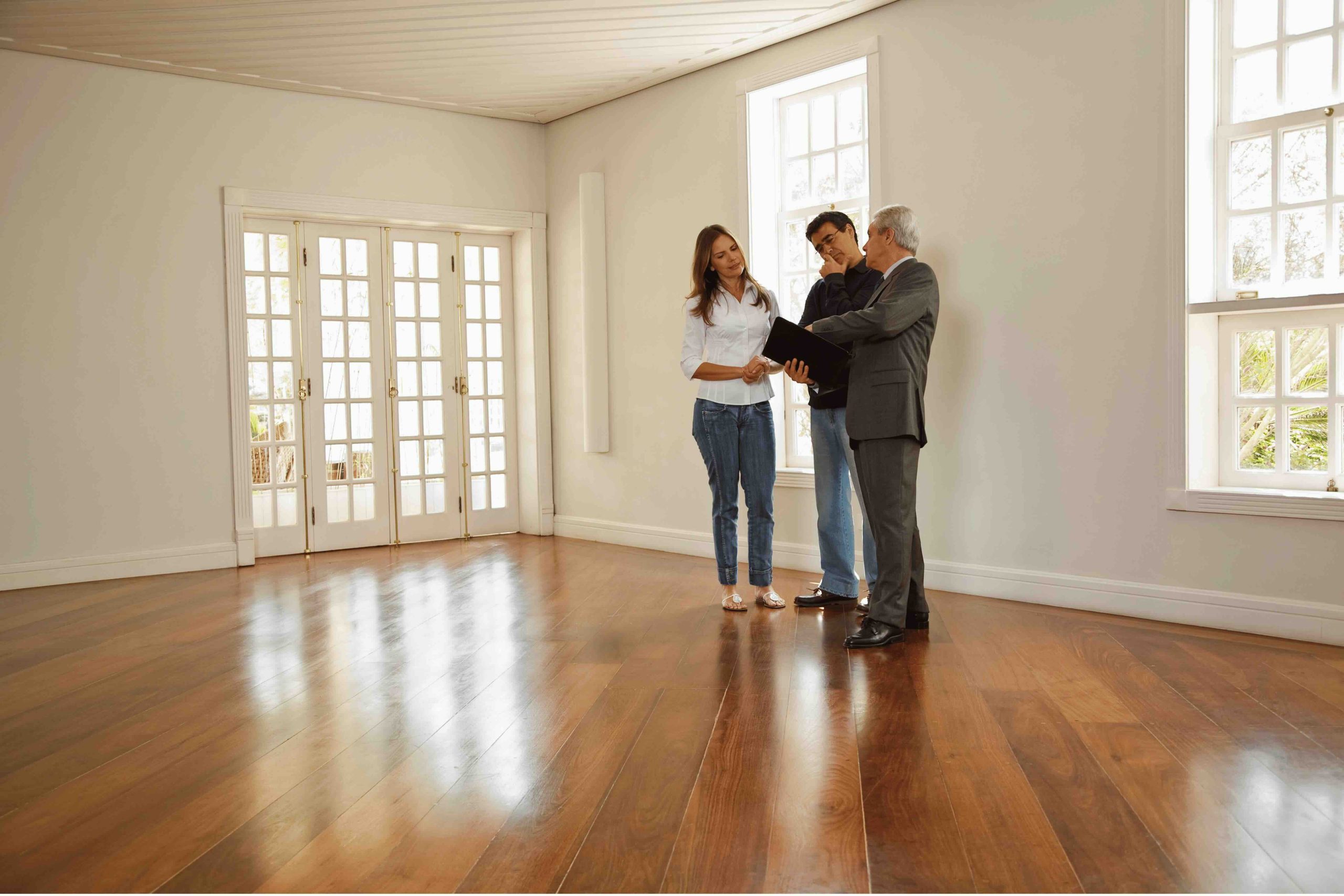
Open houses move fast, and hardwood floors are easy to admire without really looking at…

Hardwood Floor Refinishing vs. Replacement: Cost-Benefit Analysis for Historic Homes
Philadelphia is known for its rich architectural history—from Federal-style townhouses in Society Hill to Victorian rowhomes in Germantown. If you live in one of these historic properties, you likely have original hardwood floors that add warmth, charm, and value to your home. But over time, these floors can wear down, raise safety concerns, or simply lose their luster.
That leads to a common question: Should you refinish your original hardwood floors or replace them entirely?
At Hudson Hardwood Floors, we’ve helped countless Philly homeowners navigate this decision. Here’s a side-by-side breakdown of hardwood floor refinishing vs. replacement—tailored to the specific needs, costs, and quirks of older homes in Philadelphia.
Cost Comparison: Refinishing vs. Replacing in 2025
| Feature/Factor | Refinishing | Replacement |
|---|---|---|
| Typical Cost (2025) | $4–$10 per sq ft | $10–$20+ per sq ft |
| Timeline | 3–7 days | 1–2 weeks (or more) |
| Preserves Original Materials | ✅ Yes | ❌ No |
| Environmental Impact | ♻️ Lower—less waste | ⚠️ Higher—old flooring discarded |
| Eligible for Historic Grants/Tax Credits | Often eligible | Rarely eligible unless matching historical standards |
| Long-Term Value | High (especially if original flooring is intact) | High (if new floors are high quality & historically accurate) |
Why Refinishing Makes Sense for Many Philly Homes
1. Original Floors Have Character (and Value)
In neighborhoods like Fairmount, Queen Village, and Chestnut Hill, original hardwood floors are often made from old-growth pine, oak, or maple—materials that are hard to find today and nearly impossible to replicate. Refinishing helps preserve these character-rich features, which can increase your home’s resale value.
2. Refinishing May Qualify for Historic Preservation Incentives
If your home is part of a historic district or on the Philadelphia Register of Historic Places, refinishing original floors can make you eligible for preservation grants or tax credits—something that’s less likely with full floor replacement.
3. Less Disruption, Lower Cost
Refinishing doesn’t require demolition or major carpentry, meaning fewer surprises behind your baseboards. And in a city where parking restrictions, narrow stairwells, and delivery logistics already add to renovation stress, refinishing is often a faster, cleaner, and less costly option.
When Replacement Is the Better Option
While refinishing is often ideal for historic homes, floor replacement may be the better investment if:
The subfloor or joists are damaged from water, termites, or structural settling
Boards are too thin from previous sandings (common in 100+ year-old homes)
You want to install radiant heat or soundproofing underlayment
Your design vision involves changing the wood species, layout, or plank width
If your original flooring is beyond repair, replacement allows you to start fresh—potentially with engineered hardwoodthat can better withstand moisture in Philly’s humid summers and freezing winters.
Design Preservation Tips When Replacing Floors
If you must replace, try to stay true to your home’s character:
Match original wood species and grain patterns
Opt for site-finished floors instead of prefinished planks for a more authentic look
Reuse salvaged materials where possible—some Philly homeowners source reclaimed wood from architectural salvage shops like Philadelphia Salvage or Provenance in Kensington
Signs It’s Time to Refinish Instead of Replace
Floors have cosmetic damage (scratches, dullness) but no structural issues
You want to change the sheen or stain color
The floorboards feel sturdy and have at least 1/8″ of wood above the tongue
FAQs: Refinishing vs. Replacing Hardwood Floors
Yes—if there’s enough wood left above the tongue-and-groove. We can assess the thickness on-site.
Most cosmetic damage can be removed through sanding, but deep water stains or pet damage may require board replacement.
We offer dustless sanding options, which capture up to 98% of airborne particles—ideal for city homes with limited ventilation.
With proper maintenance, refinished floors can last 10–15 years or more before needing another touch-up.
Schedule an In-Home Assessment with Hudson Hardwood
At Hudson Hardwood Floors, we specialize in hardwood floor refinishing for historic homes across Philadelphia. From Rittenhouse brownstones to West Philly Victorians, we understand the care and craftsmanship required to preserve your home’s architectural legacy.
Call us today at (215) 694-7296 or schedule your free quote online.
Related Posts