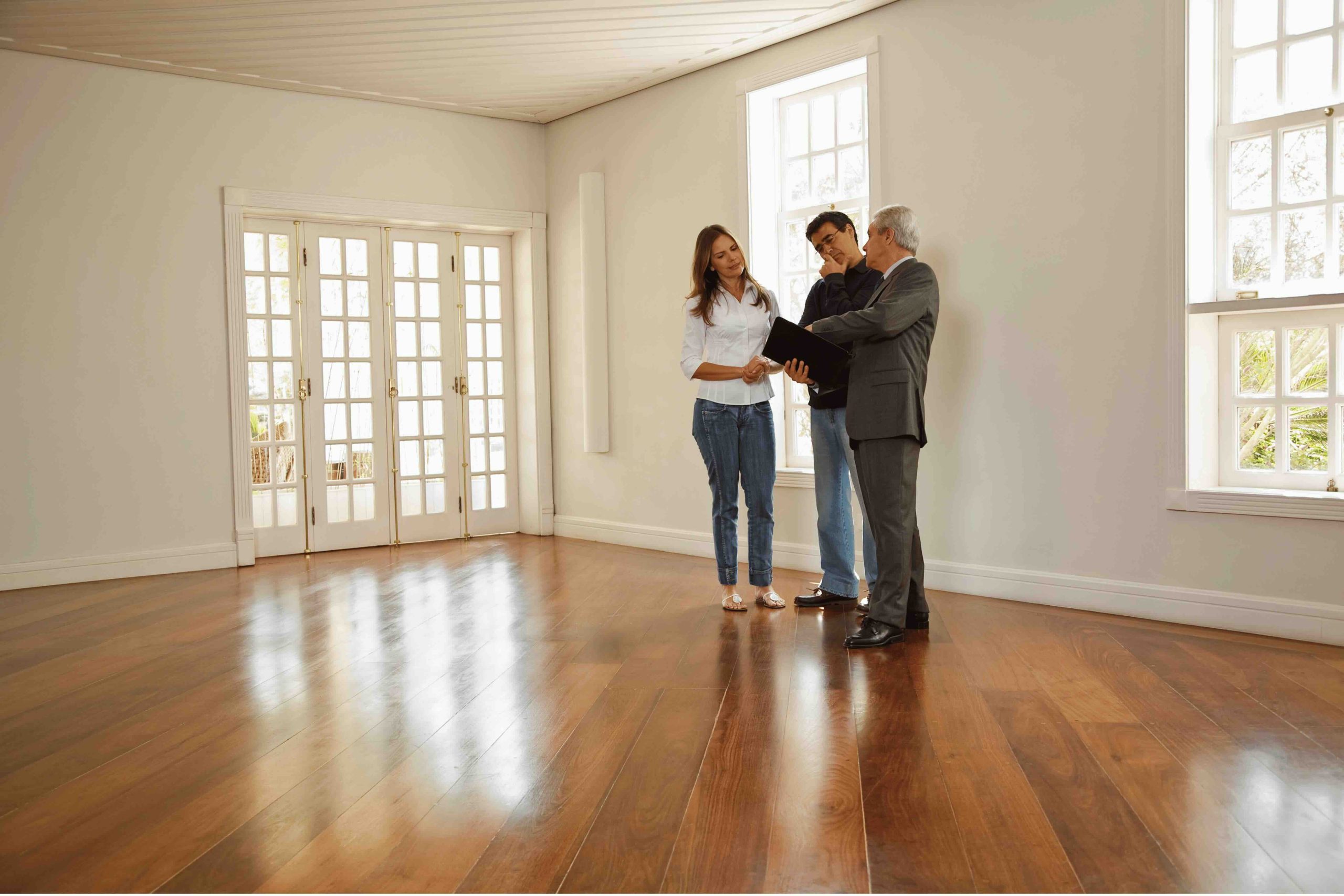
Open houses move fast, and hardwood floors are easy to admire without really looking at…

Essential Steps for a Successful Hardwood Floor Recoat in Philadelphia
Hardwood floors are one of the most timeless features in Philadelphia homes—whether it’s a historic rowhome in Old City, a modern condo in Center City, or a family home in the suburbs. Over time, even well-cared-for floors begin to look dull or scratched. That’s where hardwood floor recoating comes in.
Recoating is a cost-effective way to restore shine, protect your investment, and extend the life of your floors without the expense and disruption of a full sanding and refinishing. But to get the best results, there are some important steps every homeowner (and professional) should follow.
Step 1: Evaluate the Floor
Not all hardwood floors are good candidates for a recoat. If the finish is completely worn through to bare wood, or if the floor has deep bevels, hand-scraping, or severe wear, a hardwood floor resanding may be necessary. Professional evaluation is essential to determine whether a recoat will truly bring back the floor’s beauty—or if refinishing is the better option.
Step 2: Set Clear Expectations
Before the work begins, a conversation about possibilities is crucial. Sometimes, once the recoating process starts, it becomes clear the floor actually needs a complete sanding. Homeowners should understand this up front—and it should be clearly outlined in the contract, including the potential costs.
Step 3: Test a Small Area
A test area in a high-traffic zone (like hallways or kitchens) can reveal how the floor will respond. If problems like “fish eyes” or finish separation appear, it means additional prep work is required—or the floor may need to be sanded instead of recoated.
Step 4: Deep Clean the Surface
Recoating success depends on a spotless surface. Depending on what’s already on the floor, cleaning methods may include:
Acrylic polishes → Require special stripping products.
Oil finishes → Follow the manufacturer’s directions (many can be recoated with waterborne finishes).
Surface finishes → Use the recommended cleaner for the new finish type.
For tougher buildup, trisodium phosphate (TSP) is useful as both a cleaner and mild abrasive.
Step 5: Abrade the Floor
Adhesion is everything. Abrasion can be done mechanically or chemically, but hand-scraped, wire-brushed, or beveled floors require more attention. Specialized nylon bristle plates, foam-backed sandpapers, or even detailed handwork may be needed to properly prepare the surface.
Step 6: Apply the Finish
Once prep is complete, the new finish can be applied with confidence. Some professionals use dewaxed shellac or a high-bond waterborne finish to maximize adhesion. For peace of mind, many pros recommend confirming with the finish manufacturer before applying—prevention is always better than fixing a failed coat later.
Why Philadelphia Homeowners Love Recoats
Living in Philadelphia means balancing charm and practicality. Recoating is ideal for homes where you want to refresh hardwood floors quickly and affordably. Compared to full refinishing, recoating is:
Faster (often completed in a single day).
Cleaner (no heavy sanding dust).
Cost-effective (a fraction of refinishing costs).
Protective (adds years of life to your floors).
From Rittenhouse Square apartments to suburban family homes in Ardmore or Cherry Hill, recoating is a smart way to keep hardwood floors beautiful without breaking the bank.
Frequently Asked Questions
Most floors benefit from recoating every 3–5 years, depending on traffic, pets, and cleaning habits.
Not always. Floors with deep scratches, bare wood exposure, or heavy beveling may require a full sanding and refinishing instead.
- Recoating → Applies a fresh protective layer without sanding to bare wood.
Refinishing → Sanding the floor down and applying new stain and finish.
Recoating creates far less dust and disruption than sanding, especially when done with a professional using dustless systems.
While costs vary, recoating is significantly more affordable than full refinishing—often half the price or less. Exact pricing depends on the size of the area and the condition of the floor.
Protect the Beauty of Your Philadelphia Home
Recoating is one of the best ways to protect and preserve your hardwood floors—especially in a city like Philadelphia, where historic charm and modern living go hand in hand.
If you’re wondering whether your floors are ready for a recoat or need a full refinishing, our team can help. We specialize in hardwood floor recoating, refinishing, installation, and restoration throughout the Greater Philadelphia area, from Center City to the Main Line and beyond.
👉 Ready to give your hardwood floors a fresh look?
📞 Call us today at (215) 694-7296 or schedule your free quote online.Let us help you restore your floors with craftsmanship trusted across Greater Philadelphia.
Related Posts